天净沙·鹿角湾
天宜居士
骆驼赤鹿羊羔。
雪山云彩林涛。
绿草毡房古道。
牛鸣马啸。
喝吆声更风骚。
(作者简介:天宜居士,本名夏金峣,贵州人,欧洲大学工商管理博士。北京大学未名湖文学社签约作家。)
点评:
天宜居士《天净沙·鹿角湾》是一首以古典曲牌写草原风光的当代小令。全曲仅五句二十八字,却通过高度凝练的意象并置,勾勒出鹿角湾高山草原的立体画卷,并以“人声”收束,完成从自然景观到人文精神的升华。以下逐句解析,并作综合鉴赏。
一、逐句解析
首句:骆驼赤鹿羊羔
开篇即以三个动物名词并列,不加任何动词、形容词,纯以“列锦”手法呈现画面。骆驼、赤鹿、羊羔分别代表三种不同的生命形态:骆驼高大稳健,是丝绸之路与荒漠草原的重要驮畜,带有边地行旅色彩;赤鹿灵动机警,是鹿角湾山林的野生精灵,暗合地名“鹿角”的来历;羊羔温顺稚嫩,是游牧生活的日常家畜,带有亲切温暖的生活气息。三种动物并置,既有野生与家养、高大与幼小、荒远与亲近的对比,又共同构成草原生态的丰富层次。“赤”字在句中尤为醒目,不仅点出鹿毛之色,也为整首曲奠定了一抹暖色亮调,使首句不显板滞。
第二句:雪山云彩林涛
此句将视角从地面动物拉向高空与远方。雪山高耸,是远景;云彩飘浮,是中景;林涛起伏,是近景。“林涛”一词极妙,既写出山林如海、树浪翻涌的视觉形象,又暗含风吹林间如波涛澎湃的听觉感受,视觉与听觉在此打通。雪山之冷白、云彩之流动、林涛之喧响,构成一个高远、清旷而富有动感的自然空间。首句写地面生命,第二句写天地气象,上下呼应,境界顿开。尤其是“林涛”二字,使静态的山林骤然有了声音与气势,为后文“声音”主题的展开埋下伏笔。
第三句:绿草毡房古道
第三句又将镜头拉回草原地面。绿草是草原的底色,毡房是游牧民族的家园标志,古道是历史与交通的痕迹。三者并置,自然景观与人文景观交融,空间意象与时间意象交织。“绿草”铺陈出草原的生机与辽阔;“毡房”点缀其上,成为画面的视觉焦点,暗示人的存在与生活;“古道”则延伸出历史的纵深,让人联想到驼铃古道、游牧转场、丝路往来的沧桑。与马致远《天净沙·秋思》中“古道西风瘦马”的萧瑟孤旅不同,这里的“古道”并非悲凉意象,而是与毡房为邻,具有家园感与历史厚度。
前三句均为六字句,每句三个名词性意象,共九个意象并列,结构整齐,节奏舒缓,形成典型的“鼎足对”式铺排,是《天净沙》曲牌最见功力的部分。
第四句:牛鸣马啸
四字句一出,节奏骤然收紧,全曲由静转动、由画面转向声音。此前多为视觉意象,虽有“林涛”暗含听觉,但毕竟以景物为主。至“牛鸣马啸”,草原之声直接扑面而来。“牛鸣”低沉浑厚,如大地回响;“马啸”高亢激越,似长空裂帛。一低一高,一沉一扬,声音层次分明,草原生命的野性与力量被瞬间激活。牛马与首句的骆驼、马鹿、羊羔相呼应,进一步丰富草原动物群像;而“鸣”“啸”二字又将动物从静态剪影变为动态生命,使画面活了起来。
第五句:喝吆声更风骚
末句是全曲点睛之笔,也是由自然推向人的关键一步。此前有林涛之声、牛马之声,皆属自然与动物世界;至“喝吆声”出现,人的声音终于登场。牧人驱赶牲畜、呼唤同伴的吆喝声,粗犷、高亢、不加修饰,却最具生命热力与草原精神。“更风骚”三字尤其耐人寻味。“风骚”本指《诗经》之“风”与《楚辞》之“骚”,后引申为文采风流、精神气韵。这里说人的吆喝声比自然之声、动物之声“更风骚”,实际上是将牧人的劳动呐喊提升到审美与精神的最高层面——草原上最动人的,不仅是雪山绿草、牛马羊驼,更是人的生命气息与劳作风采。末句以人收束,情感昂扬,意境升华。
二、综合深度鉴赏
1. 意象并置与空间层次
全曲沿用《天净沙》曲牌经典的“列锦”手法,大量使用名词意象直接并置,省略动词与逻辑连接,使画面如电影镜头般快速切换,留给读者广阔的想象空间。前三句九个意象,从地面动物到高空雪山云彩,再到草原毡房古道,空间上高低错落、远近有致,构成一幅具有纵深感的立体画卷。
2. 感官调度与动静相生
作者善于调动多种感官:赤鹿、绿草、雪山、云彩是视觉;林涛、牛鸣、马啸、喝吆声是听觉;雪山之寒、绿草之柔则是潜在的触觉感受。全曲由静到动,由画面到声音,最后以人的吆喝声收束,形成一条清晰的审美线索:从静谧的草原风光,到动物生命的喧动,再到人的精神风采,层层推进,节奏愈益昂扬。
3. 语言特色与曲牌格律
《天净沙》为元曲小令,格律严谨,本曲押“遥条”韵,韵脚“羔、涛、道、啸、骚”一韵到底,声音响亮悠长,契合草原辽阔明快的情调。语言上既有“赤鹿”“毡房”“喝吆”等富有边地色彩的词汇,又有“风骚”这样的古典雅词,古今交融,雅俗相谐。
尤其值得称道的是末句“更风骚”的用法。“风骚”一词在当代口语中易生歧义,但作者有意将其还原到古典语义中,赋予牧人吆喝声以“风雅神采”的美学品格,使全曲不落俗套,翻出新意。
4. 地域文化与精神内涵
从意象选择看,鹿角湾当为天山北麓的高山草原,具有典型的哈萨克族、蒙古族游牧文化特征。骆驼、马、牛、羊、毡房、古道,构成游牧生活的完整图景;雪山、云彩、林涛、绿草,则是天山草原的自然底色。全曲没有直接抒情,却处处透出对草原风物的热爱与对游牧劳动的赞美。
与传统羁旅愁思的草原书写不同,本曲情绪明朗、格调昂扬,尤其是“喝吆声更风骚”一句,将人的劳动声音置于自然之声之上,体现出对草原人民生命活力的由衷礼赞,也寄寓着现代人对返璞归真、人与天地和谐共处的精神向往。
5. 与经典的承变关系
将本曲与马致远《天净沙·秋思》对读,尤能见其承变之妙。马曲写秋日羁旅,意象萧瑟,末句“断肠人在天涯”直抒悲苦;本曲写草原夏日,意象丰美,末句“喝吆声更风骚”以人的活力收束,情绪由静入动、由景入人,意境翻新。结构上承袭了《天净沙》的铺排之法,精神上却从古典的羁旅愁思转向现代的生命赞歌,是一次成功的古典形式与当代情感的结合。
结语
天宜居士《天净沙·鹿角湾》篇幅虽短,却以简驭繁,在二十八字中完成了一幅从自然到人文、从静景到动声、从空间到时间的草原立体画卷。全曲意象丰赡,格律精严,语言凝练而富有张力,末句“喝吆声更风骚”更以人的声音点亮全篇,使草原风光与人的精神互为映照,堪称当代曲中小令的佳作。
Tianjingsha, Antlers Bay
A paradise of paradise
A camel, a deer and a lamb.
Snowy mountains, clouds, forests and rivers.
The ancient road of green felt houses.
The cows chirped and the horses screamed.
The shouting was even more disturbing.
(Introduction: Tian Yisheng, real name Xia Jinji, a native of Guizhou, PhD in Business Administration at European University.) Peking University does not have a signed writer for the unnamed HKU literary society. )
Comments:
Tian Yi Zhi Shi's "Tien Jing Shan, Antlers Bay" is a contemporary piece that writes about the prairie scenery using classical music. The whole song is only five sentences and 28 words, but by placing highly condensed imagery together, it outlines a three-dimensional landscape of the alpine grasslands at Deerhorn Bay, and is bound by the "human voice," completing the sublimation from natural landscape to human spirit. The following is a sentence-by-sentence explanation and a comprehensive appreciation.
I. Explanation by sentence
First sentence: camel, deer and lamb
The opening paragraph is listed jointly with three animal terms, without any verb or adjective, and the picture is presented purely in a "list" manner. Camels, deer and lambs represent three different life forms respectively: camels are tall and stable, and are important carriers on the Silk Road and the desert grasslands, with the color of frontier travel. The red deer is a vigilant spirit, a wild spirit in the mountain forest of the Arendelle Bay, which stands for the origin of the name "antlers." Lambs are docile and young, and they are the daily livestock of nomadic life, and the smell of a warm and welcoming life. The three species of animals sit side by side, which have the contrast between wild and domesticated, tall and small, remote and close, and together constitute a rich layer of grassland ecology. The word "red" is especially prominent in the sentence, not only indicating the color of deer, but also setting a warm tone for the entire song, so that the first sentence does not appear rigid.
Second sentence: Snowy mountain, cloudy forest and waves
This sentence draws the perspective from the animals on the ground to the skies and the distance. The snow mountains are so high that they are a sight. The clouds floated, which was the middle view. The rising and falling of the trees is a close-up view. The word "forest waves" is wonderful. It not only writes the visual image of the mountains as a sea and the waves of the trees, but also implies the audible feeling of the wind blowing among the woods as a powerful waves. Vision and hearing are connected here. The cold whiteness of the snow mountains, the flow of clouds, and the noise of the trees make up a high, clear and moving natural space. The first sentence described life on the ground, and the second sentence dealt with the weather of the heavens and the earth, which echoed up and down, and the realm opened up. In particular, the word "forest" suddenly gave the static mountain forest a sound and force, setting the stage for the unfolding of the theme of "sound" in the following text.
Third sentence: The ancient road of a green carpeted house
The third sentence pulls the camera back to the grassy ground. Green grass is the foundation color of the grasslands, the felt houses are the home signs of nomadic peoples, and the ancient roads are traces of history and traffic. The three are integrated, the natural landscape and the human landscape are intertwined, and the spatial image and the temporal image are intertwine. The "green grass" provides the life and scope of the grasslands. The "fan chamber" dotted it, becoming the visual focus of the picture, suggesting the existence and life of human beings; The "ancient road" extends the depth of history, and makes people associate with the ancient camel road, the nomadic transition, and the passing of the Silk Road. Unlike the sorrowful solitary journey of "the ancient road of the West Wind" in Ma Zhiyuan's "Tibetan Sha Autumn," the "ancient road" here is not a sad image, but neighbors with the linoleum, with a sense of home and a historical thickness.
The first three sentences are all six words, with three nounistic imagery each, and a total of nine imagery in parallel, with a neat structure and a soothing rhythm, forming a typical "top-to-top" arrangement, which is the most significant part of the "Aegean Sand" song.
The fourth sentence: The cow screams and the horse screams
Once the four words are spoken, the rhythm suddenly tightens, and the whole song changes from silence and from the picture to the sound. Previously, it was mostly visual imagery, and although "Lin Tao" implied an auditory sense, after all, it was mainly scenery. By the time the cows sang and the horses screamed, the sound of the grasslands came directly to my face. "The cow's chirp" is as deep and deep as the earth's echoes; The horse scream was so high and fierce that it resembled a crack in the sky. From low to high, from sinking to rising, the sounds are distinctly leveled, and the wildness and power of grassland life are instantly activated. The cows and horses echo the camels, deer and lambs in the first sentence, further enriching the flora of the grasslands. The words "mingling" and "screaming" changed the animal from a static silhouette to a dynamic life, making the picture alive.
The fifth sentence: shouting is more rude
The last sentence is the epitome of the whole song and a crucial step that is pushed from nature to man. Before, there were the sounds of the trees and the sounds from the oxen and horses, all of which belonged to the natural and animal world. By the time the "shouting" appeared, human voices finally appeared. The shouts of the herders to drive their animals and call their companions are rough, high and unadorned, but they have the most life heat and grassland spirit. The word "more gorgeous" is particularly intriguing. "Wind" means "wind" in the Psalms and "sw" in the Chu Ri, and is later extended to grace and spiritual cadence. Here, to say that human shouting is "more whimsical" than the sounds of nature and animals, is actually to elevate the cries of the shepherds' labor to the highest level of aesthetics and spirituality - the most moving things on the grasslands are not only the snowy mountains and green grasses, the ox, horses and camels, but also the breath of human life and labor. The last sentence constrains people, lifts emotions, and elevates the mood.
II. Comprehensive in-depth appreciation
1. Image Interaction with Space Levels
The whole song follows the classic "rehearsal" technique of the "Tianan Shan" album, using a lot of nouns and imagery directly side by side, omitting verbs and logical connections, so that the images can be quickly switched like a movie camera, leaving the reader with a broad space of imagination. The first three sentences of nine imagery, from the animals on the ground to the snow mountains and clouds at high altitude to the ancient prairie felt houses, are spatially high and low and close, forming a three-dimensional painting with a deep sense of depth.
2. Sensory regulation and motion are related.
The author is adept at mobilizing many senses: red deer, green grass, snow mountains, clouds are visual; The sounds of the trees, the cattle, the horses, and the shouts are hearing; The coldness of snowy mountains and the softness of green grass are underlying touch sensations. The whole song goes from silence to movement, from pictures to sound, and finally is surrounded by human shouting, forming a clear aesthetic clue: from the quiet prairie scenery, to the noise of animal life, to the spiritual beauty of man, the rhythm advances and becomes more and more vigorous.
3. Language features and musical rhythm
The heavenly sand is a classical piece of music, with a strict rhythm. The song follows the rhyme of "far along" and ends with the rhyme "Lamb, Tao, Tao, Sigh, Swoo." The voice is loud and long, and fits the mood of the vast and bright grasslands. In the language, there are both "red deer," "sanitary" and "drinking" words rich in borderline colors, as well as classical words such as "whim," which blend with ancient times and modern times and harmoniously harmonize with customs.
Particularly commendable was the use of the last sentence, "more gorgeous." The word "glam" is often misleading in contemporary colloquial language, but the author intentionally restores it to classical semantics, giving the shepherd's shout an aesthetic character of "glam," so that the whole song does not fall into the mold and invents new ideas.
4. Geographical culture and spiritual meaning
From the image selection, Antlers Bay is considered to be a mountainous grassland in the north foot of Tianshan, with typical Kazakh and Mongolian nomadic cultural characteristics. Camels, horses, cattle, sheep, yurts, ancient roads form the complete picture of nomadic life. Snowy mountains, clouds, rivers and green grasses are the natural background of the Tianshan grasslands. The whole song does not express directly sentimentality, but shows a love of the grasslands and a praise for the nomadic labor everywhere.
Unlike the traditional prairie writing of sorrowful exiles, this song has a clear mood. The high tone, especially the phrase "the shouting is more gorgeous," puts the voice of human labor above the voice of nature, reflecting a sincere praise for the life vitality of the grassland people, and expressing modern people's aspiration for returning to the real world and harmonious coexistence between man and the earth.
5. The transmission relationship with classics
If you read this song with Ma Zhiyuan's "Tianansha Choys," you can see the beauty of its resilience. The melancholy image of the autumn caravan is depicted in the melancholy passage of the last sentence, "The broken heart is at the end of the world." This song writes about summer days in the grasslands, and the imagery is beautiful. The last sentence, "The shouting is more delightful," is limited by human vitality, and the emotions move from the quiet to the scene to the person, and the context is refreshed. Structurally, it inherits the arrangements of Paradise Scrolls, but spiritually it shifts from classical traveling sorrows to modern life celebrations, a successful combination of classical forms and contemporary emotions.
epilogue
Although the length of Tian Yi Zhi Shi's "Tien Jing Sha, Antlers Bay" is short, it uses simplicity to complete a three-dimensional painting of the grasslands from nature to humanities, from stillness to sounds, and from space to time. The whole song is rich in imagery, with a strong melody, and the language is condensed and tense. The last sentence, "The shouting is more loud," brightens the whole song with the human voice, so that the prairie scenery and the human spirit mirror each other. It is a great work in contemporary songs.
未名湖文学社头条号组织机构
主 管:北京大学未名湖文学社
主 编:韦元龙
责任编辑:舒晓丽
投稿邮箱:3237866@163.com
来源:北京大学未名湖文学社
The organization of the unnamed Herald Tribune Headline Number
Director: Unnamed HKU Literary Society, Peking University
Editor-in-Chief: Wei Yuanlong
By: Shu Xiaoli
Posting email: 3237866@163.com
Source: Unnamed HKU Literature Society, Peking University
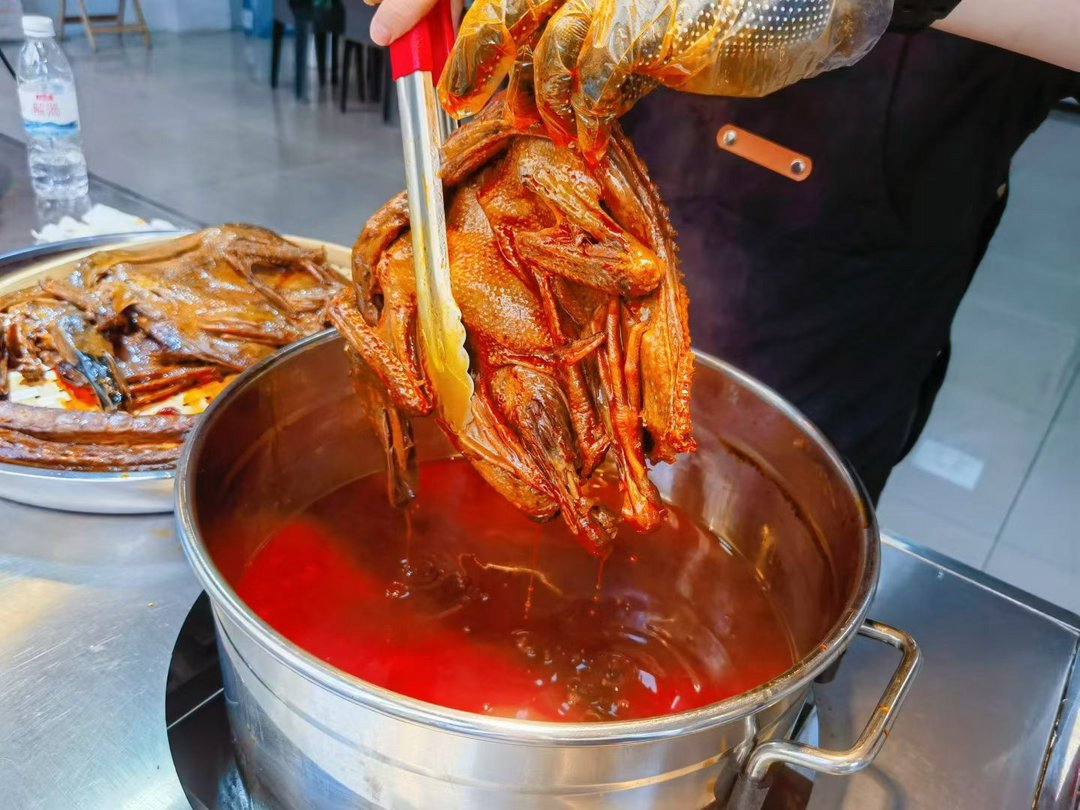
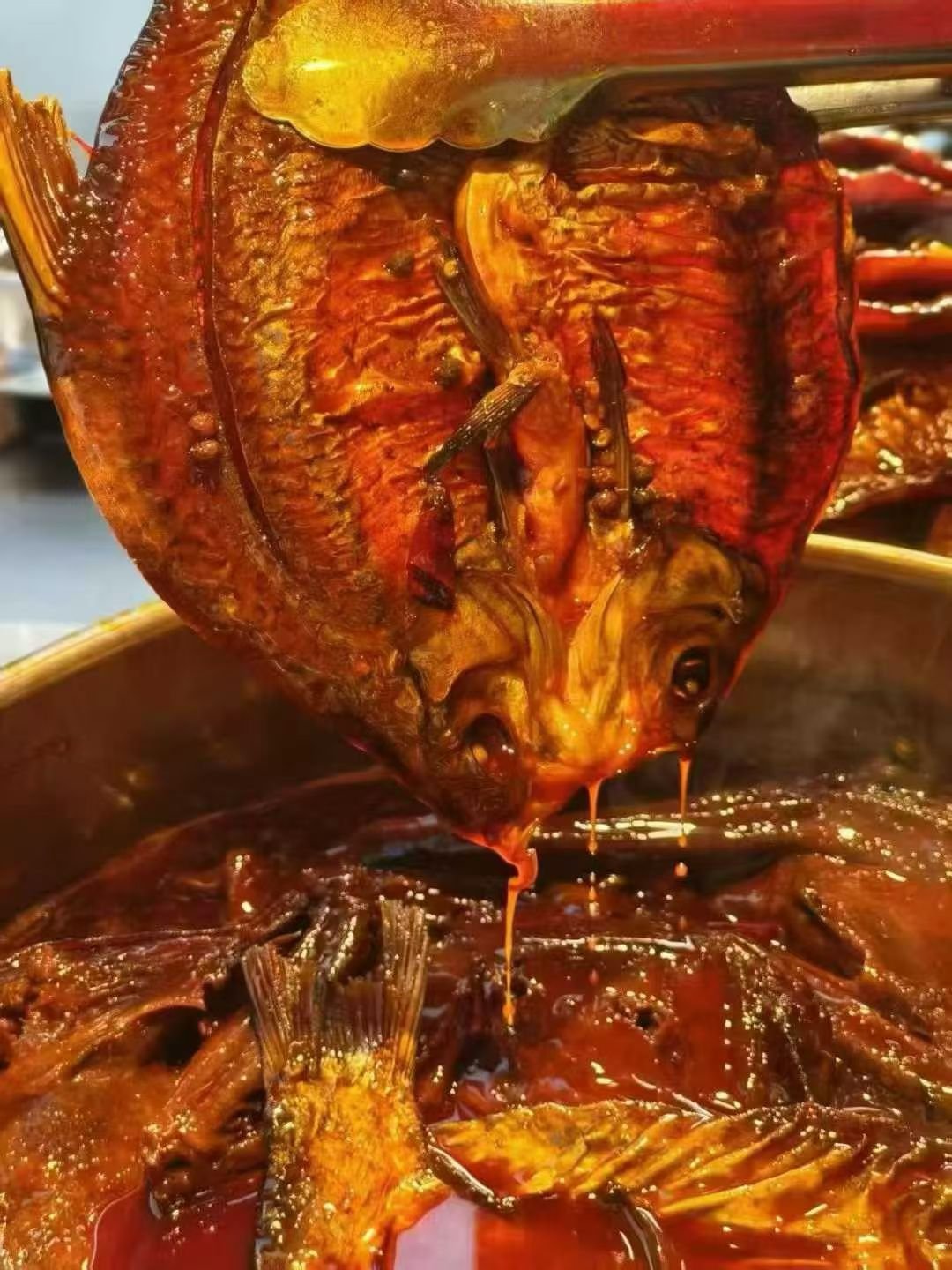
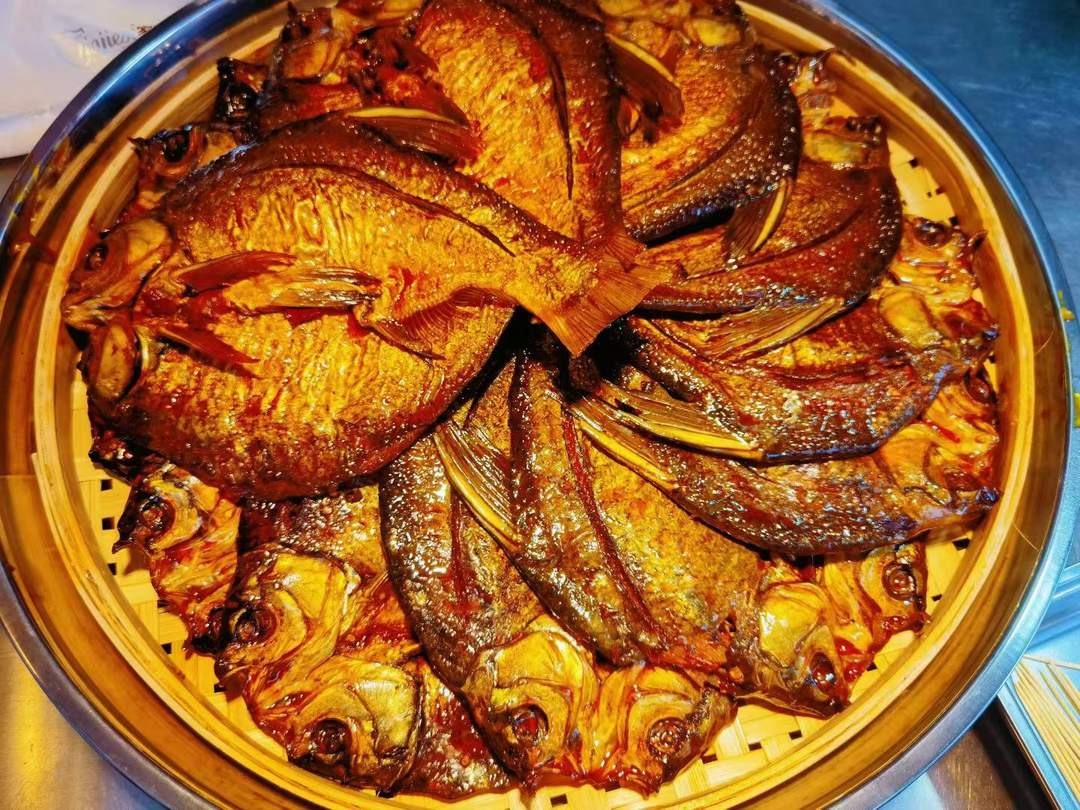
正宗湘味酱板鸭 & 酱板鱼来报到!深耕湖南地道酱板风味,吃后让人回味无穷,朝思暮想!
✨专做现卤现卖、红亮诱人的酱板鱼&酱板鸭,卤香浓郁,辣意窜鼻——是记忆里的江湖味!
👫 纯手工制作,匠心卤制,鱼鸭鲜嫩入味、辣而不燥,每一口都是热辣酣畅的享受~
✅ 支持提前预定,锁定美味不跑空! 一起来尝尝这份热腾腾的创业诚意,帮我们把故事和味道,一起延续下去~
🕔预定电话(微信):18985977959/19385677959
私信/电话预约,美味直达!
地址:兴义市桔山街道荣泰・德嘉花园对面渔小站君山酱板鱼(602县道)旁
|